
✕

VFF · Concept Work

Concepts are developed as systems —
before form, before scale, before production.

Projects may relate to architecture,
mobility, or industrial systems.

If this language resonates,
a conversation can begin .

TOP
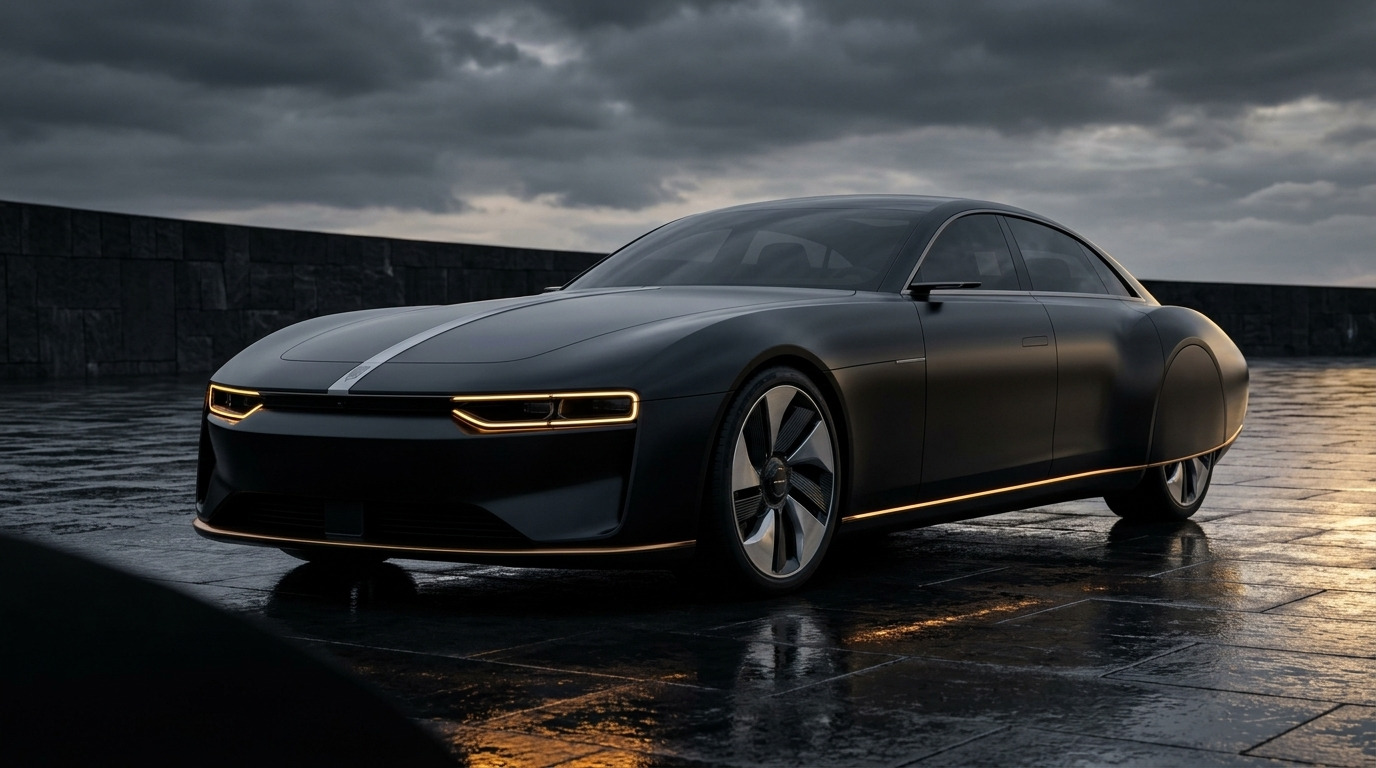
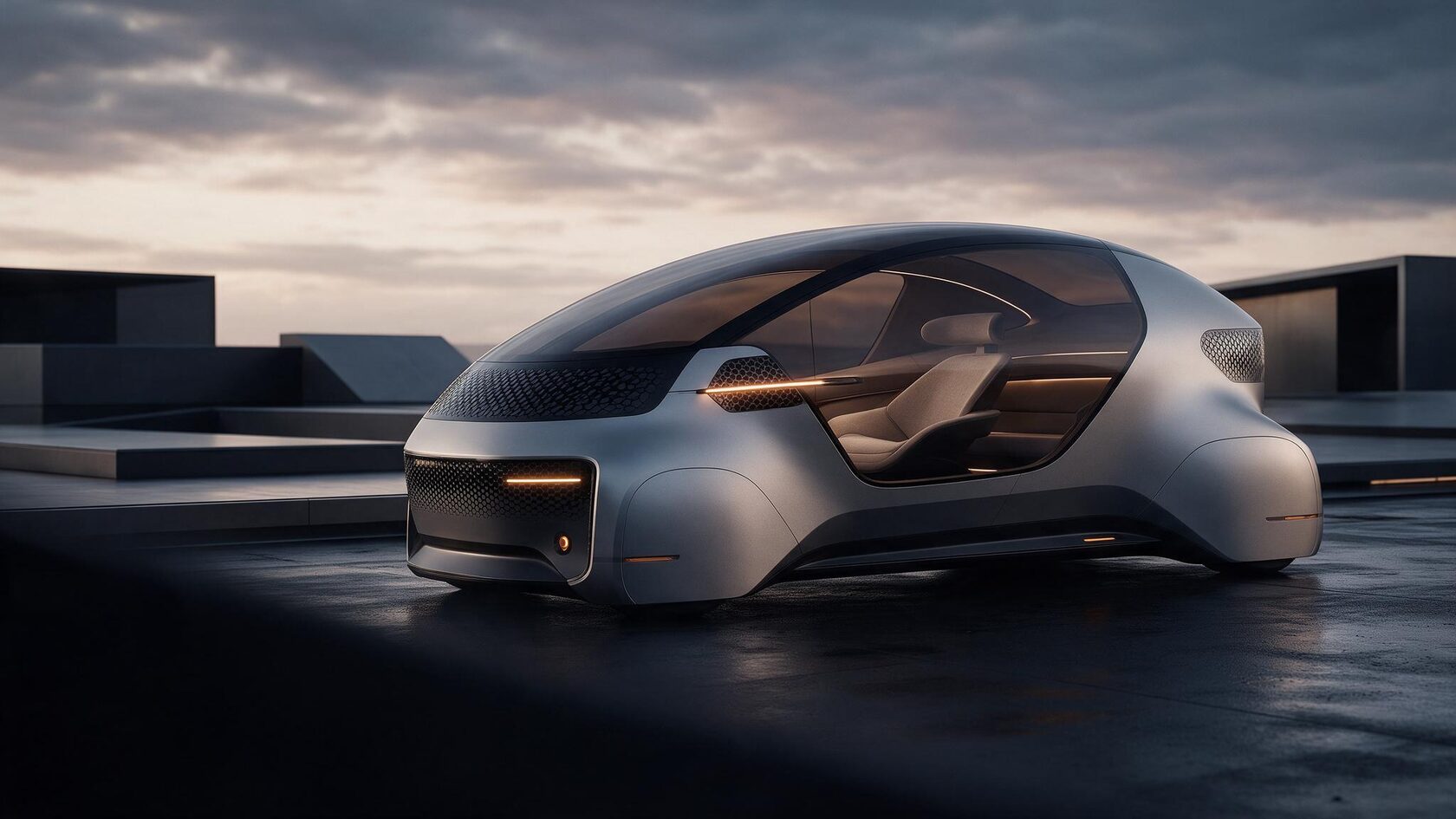
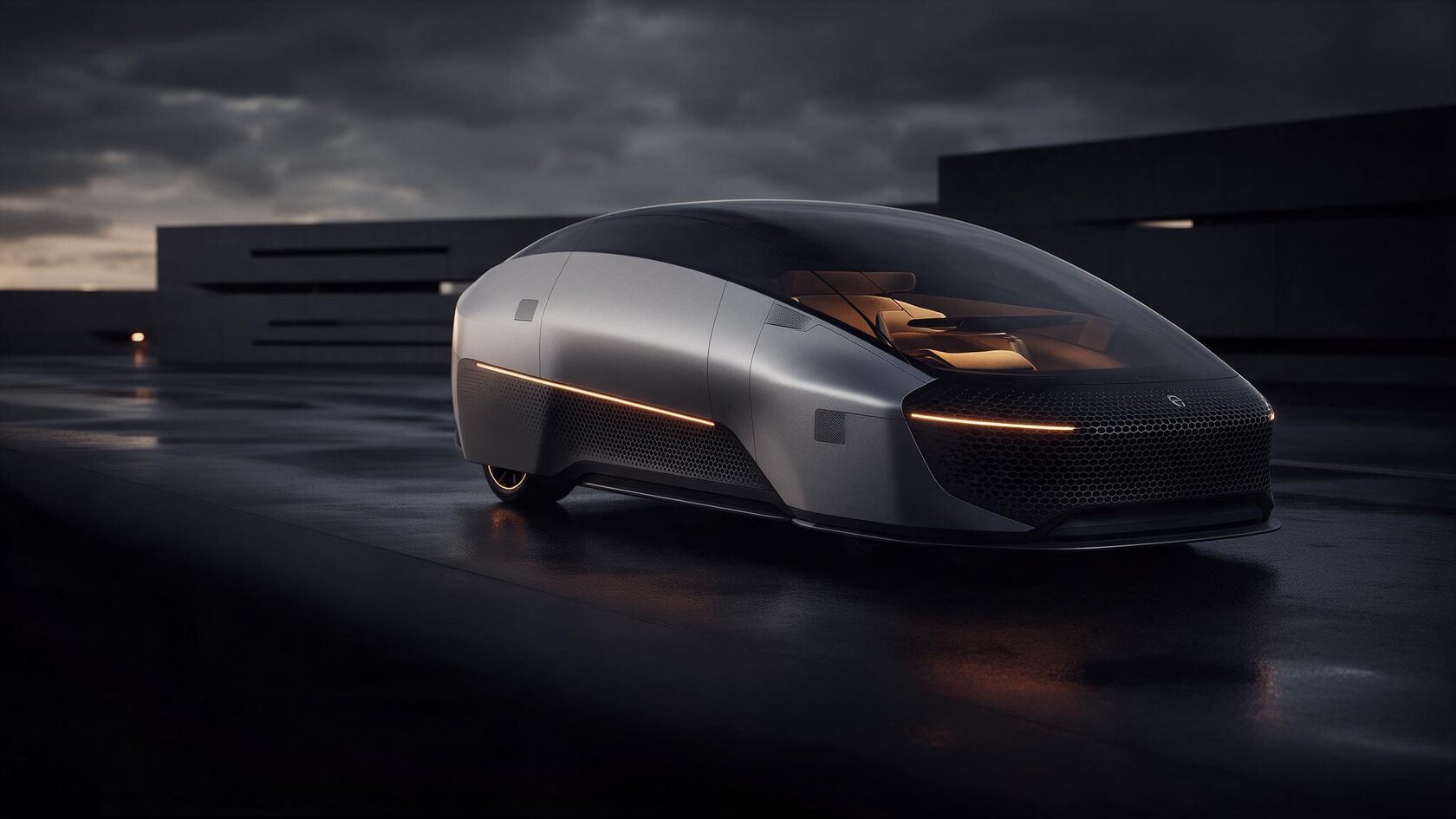
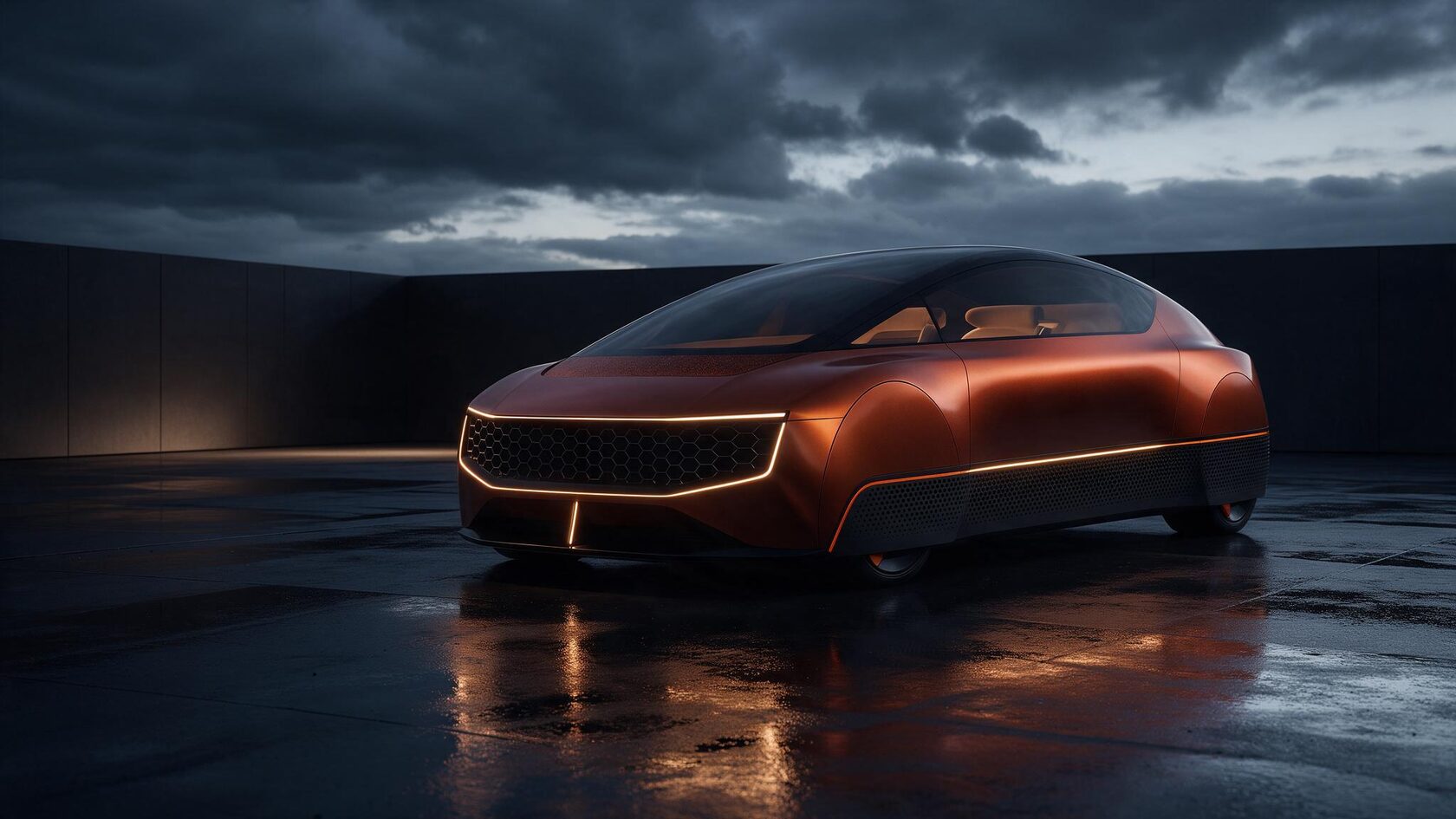
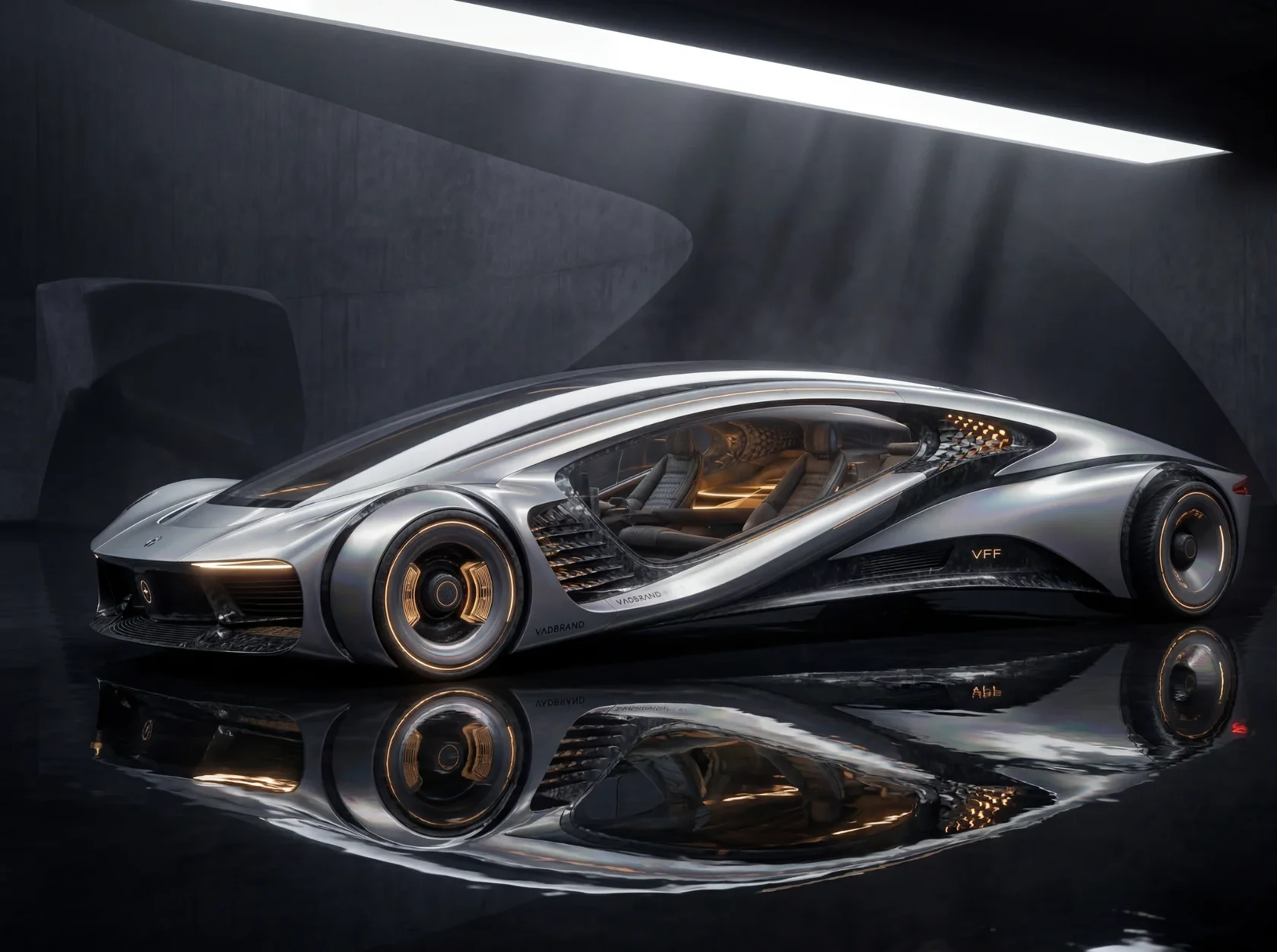
Black electric grand tourer with amber lighting on rain-wet stone
01

Mobility Sequence

The flagship silhouette.

Coachbuilt flagship proportions stripped of mechanical ornament, re-engineered as a silent electric grand touring environment.

Mobility Intent

Mobility is not vehicle styling.

It is spatial choreography.

Distance, time, and flow
resolved into movement.

CASE 01 · VFF PICKUP
Pickup. Infrastructure for controlled motion and deliberate pause.

A monument to a closing era.

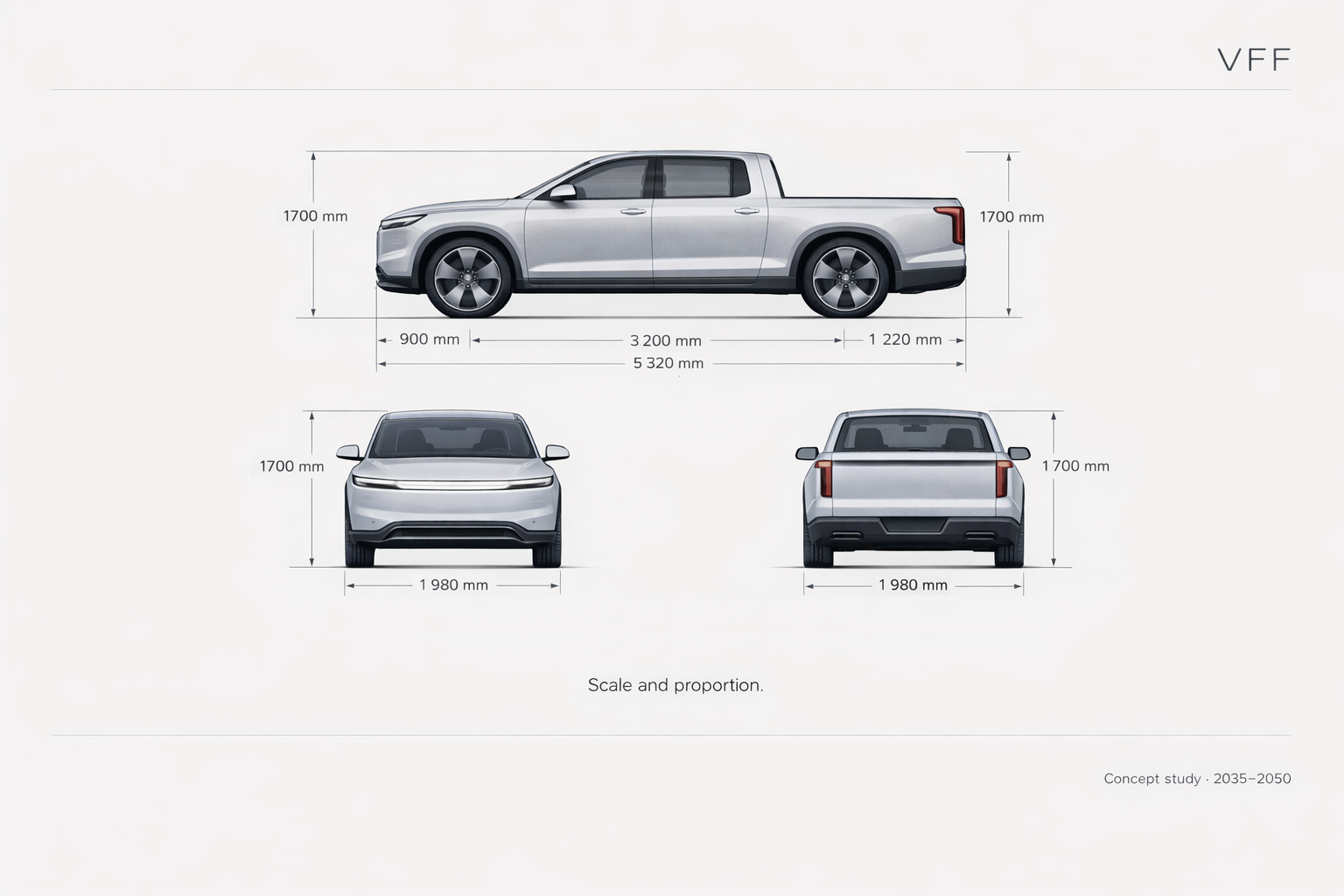
The Final Utility is a four-door pickup with an open cargo bed. A continuous shoulder line connects the cab and bed, and a slim light bar spans the front. The cabin is designed for long drives and for pauses along the way, with wide windows that keep the landscape in view.

Front · Presence
The vehicle defines itself before it moves.
Rear · Continuity
No end point. Just controlled flow.
Profile · Balance
Mass calibrated for distance and time.
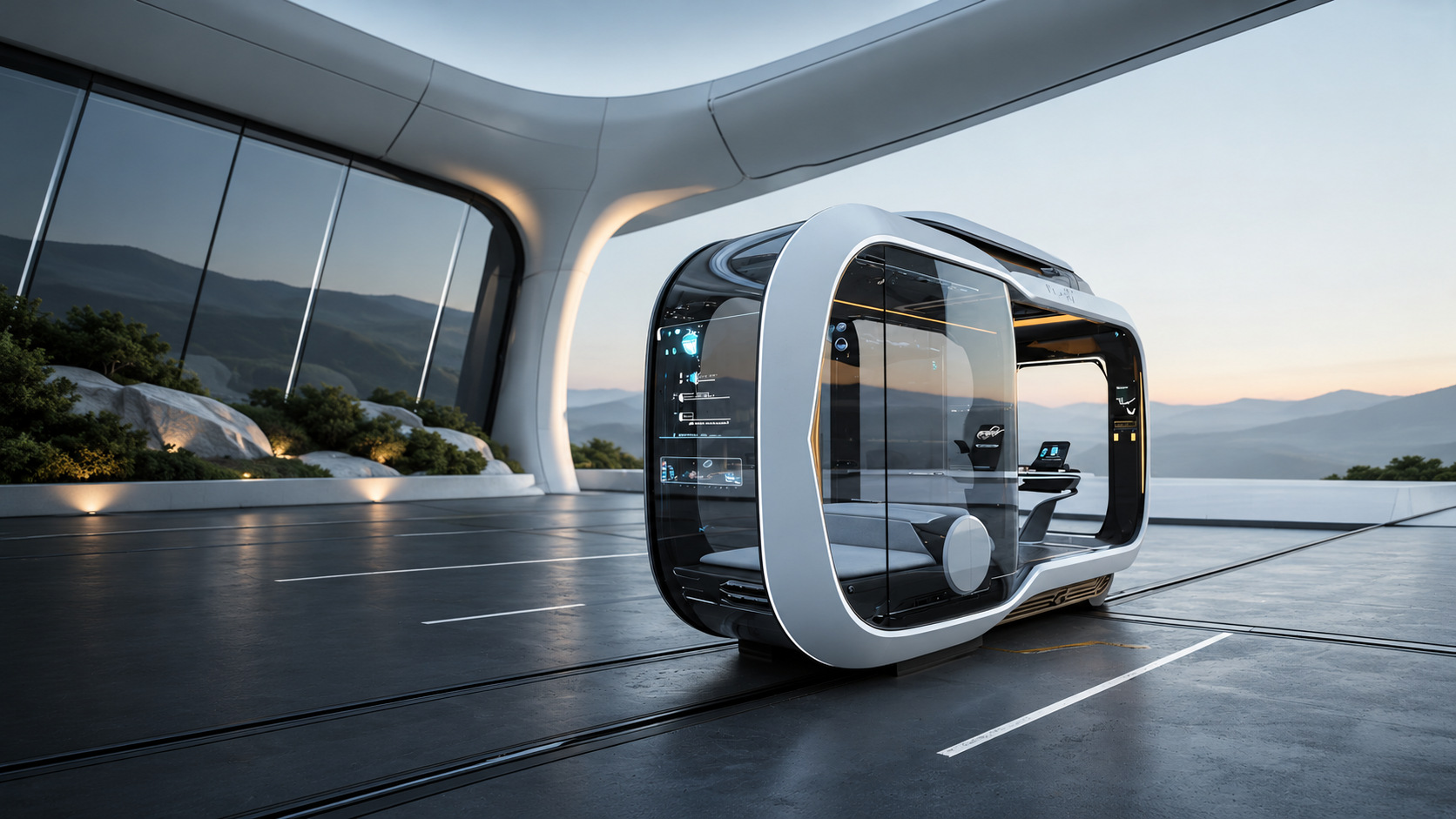
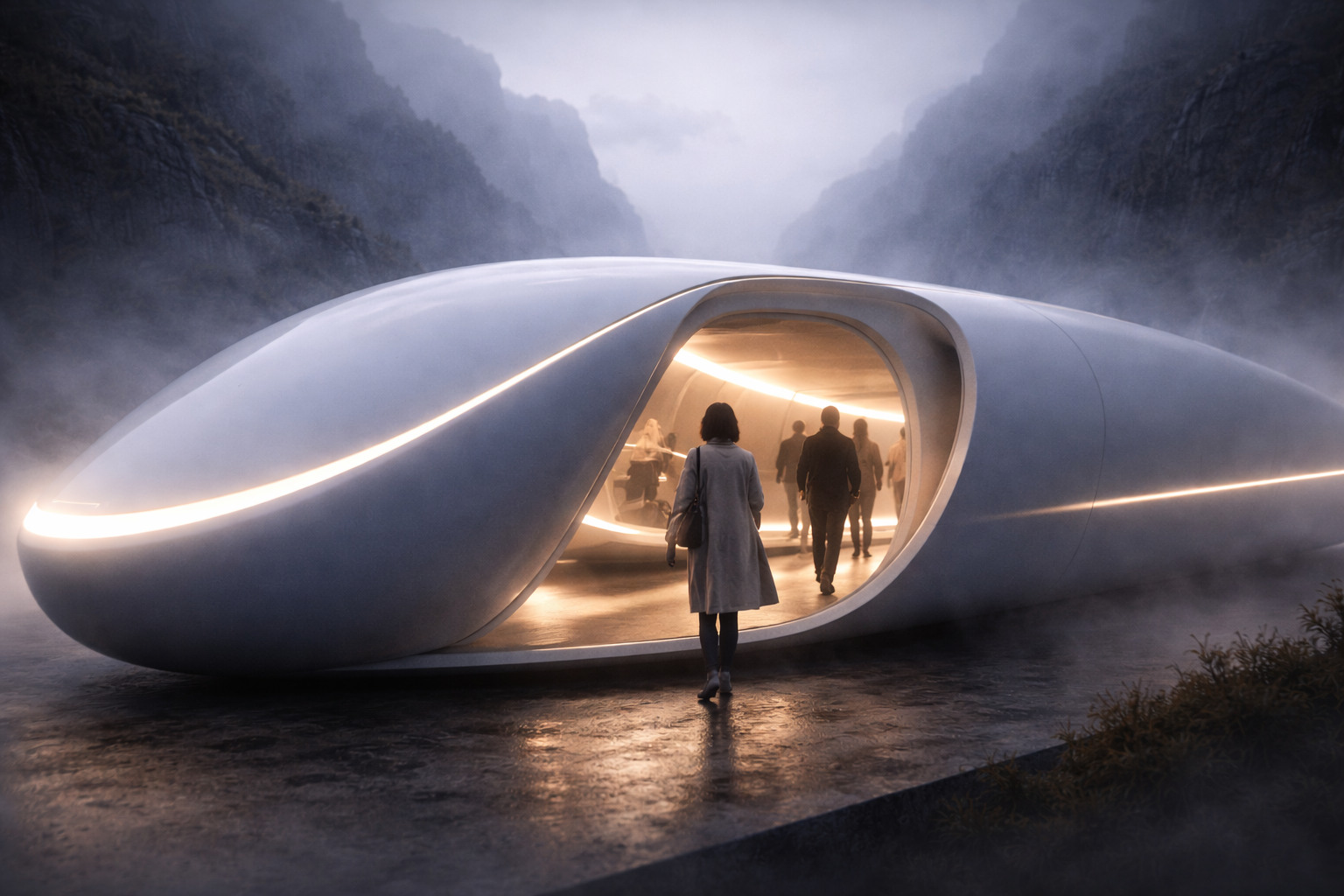
Arrival · Habitat
Not parked. Integrated into life.
This vehicle is conceived not as a machine, but as a place.
Concept study · 2035–2050
A mobile habitat shaped by everyday life, long distances, quiet stops, and unplanned moments.
It exists between landscape and interior, between movement and rest.
Not a statement of power, but a framework for living — where form follows responsibility, and motion becomes calm.

The Final Utility / Concept study 2035–2050

Vehicle architecture.

Exterior dimensions

Dimensions in mm

Side elevation
Side elevation of the four-door pickup with an open cargo bed.
Height 1,700
Wheelbase3,200
Length5,320
Front elevation
Front elevation with a light bar spanning the body.
Body width1,980
Rear elevation
Rear elevation with vertical lamps flanking the tailgate.
With mirrors≈ 2,110

Cabin section

Longitudinal section

Longitudinal cutaway of the side elevation, with adult silhouettes, headroom above both occupants and a battery pack between the axles.
CabinCargo bed

Seating postures

Seatback angles

Driver18–20°
Passenger22–24°
Rest26–28°
Optics as a system of states
Light is not an effect. It is a behavioral layer.
Light operates as a calibrated system — adapting to context, distance, and intent without visual excess.
Wheel as a system of continuity
The wheel is not a feature.
It is a condition of uninterrupted life.

Designed not for extremes,
but for years of ordinary use —
loaded, imperfect, real.

This wheel does not change its identity
across surfaces or seasons.
It adapts without spectacle,
without excess, without drama.

Reliability here is not declared.
It is simply present.
Uninterrupted operation across surfaces, seasons, and load conditions.
Volume follows intent
The body does not open.
It transitions.

What appears larger behaves no differently.

The rear form extends its capacity
without changing its silhouette,
its calm, or its relationship to the environment.

This is not added space.
It is latent space,
revealed only when needed.
Volume operates as a calibrated state — adapting to intent without visual escalation.
Form as habitat
The vehicle is no longer a machine.
It is a space to inhabit time
Silence precedes control.
Nothing asks for attention. Everything is already working.
Movement without urgency.
The road continues. The interior stays calm.
Space for presence.
Not optimized. Not displayed. Simply available.
THE END OF CASE

Case 02 / Mobility

EXECOG-01

Intent driven. Purpose shaped.
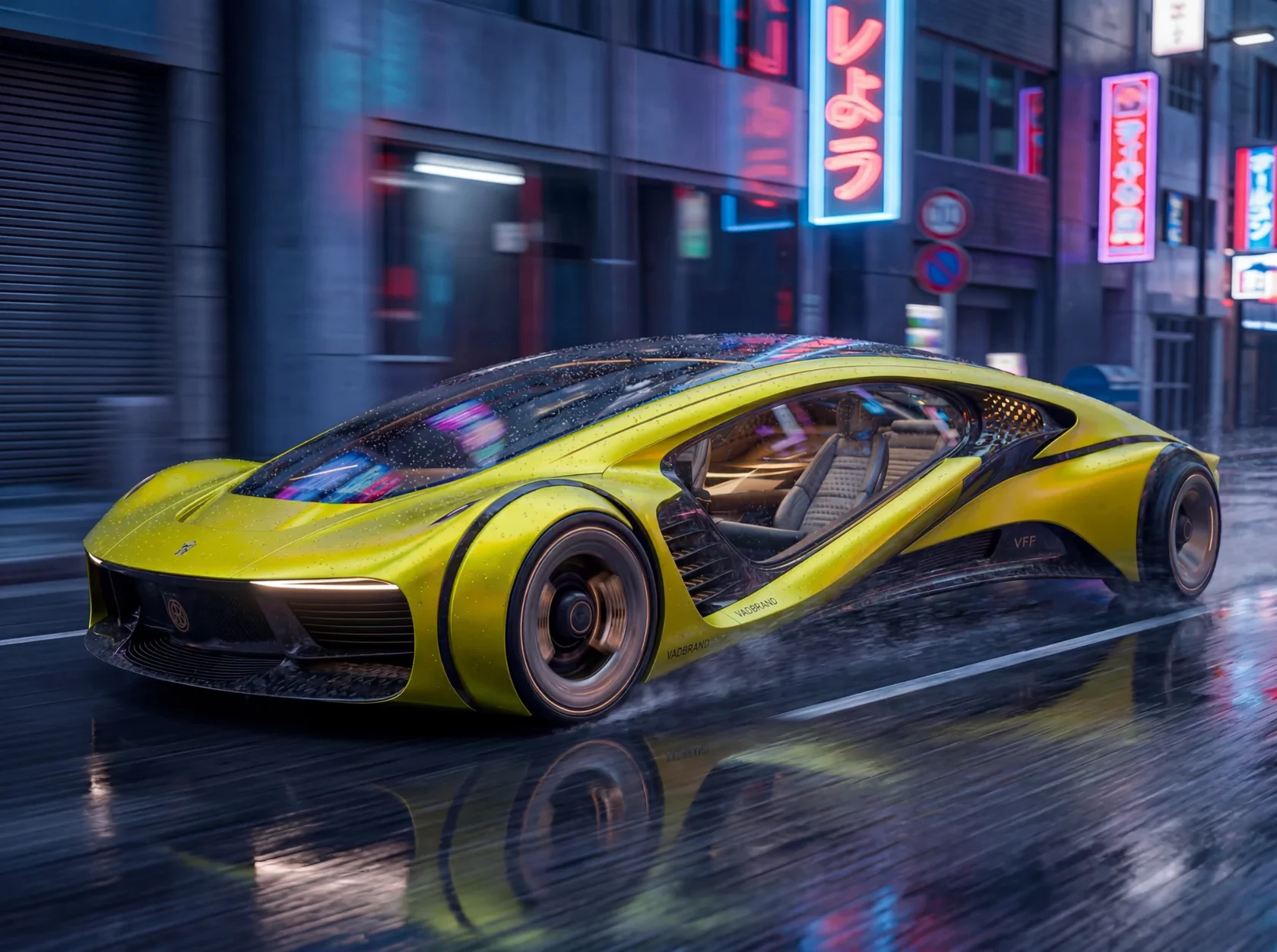
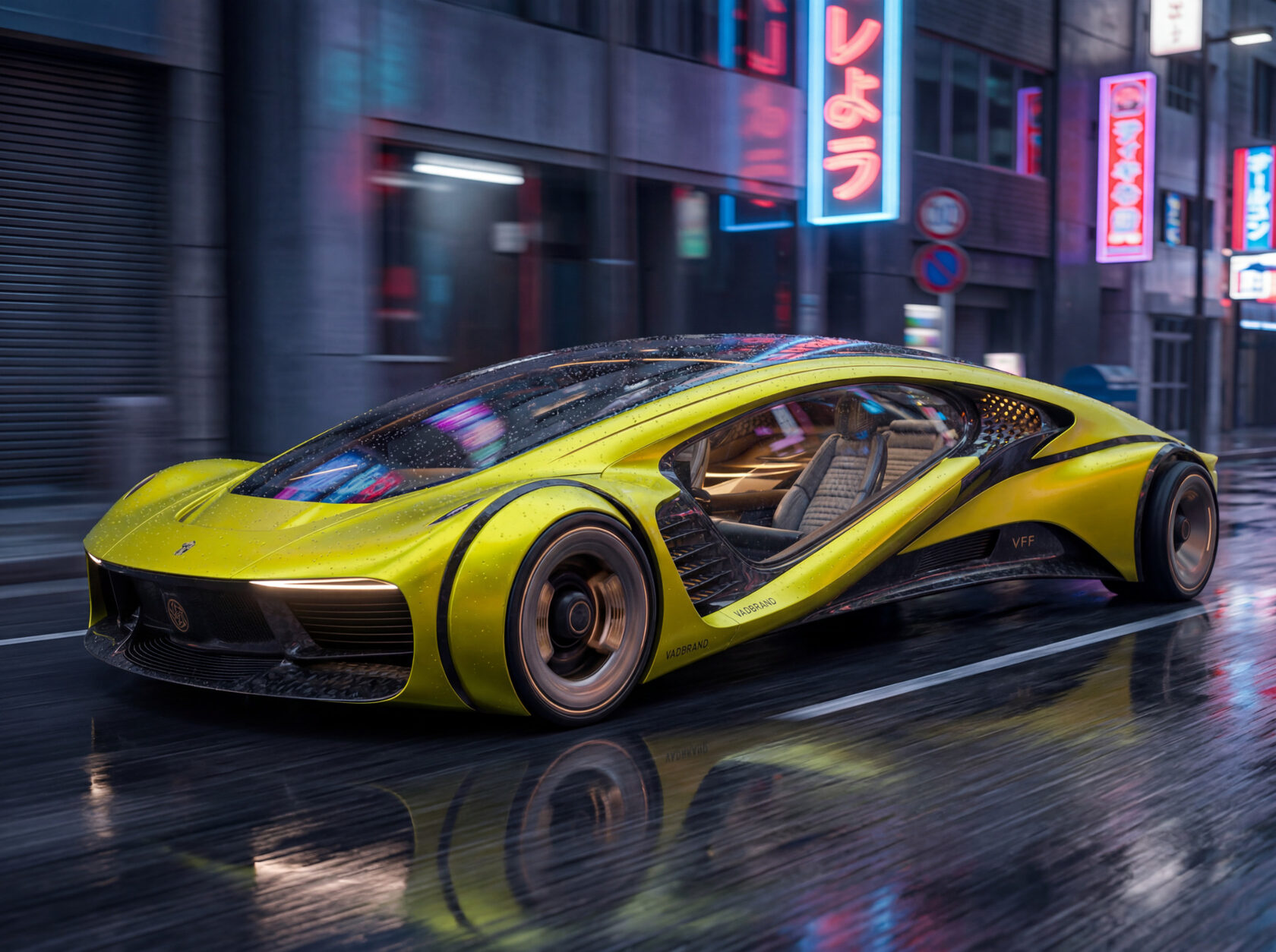
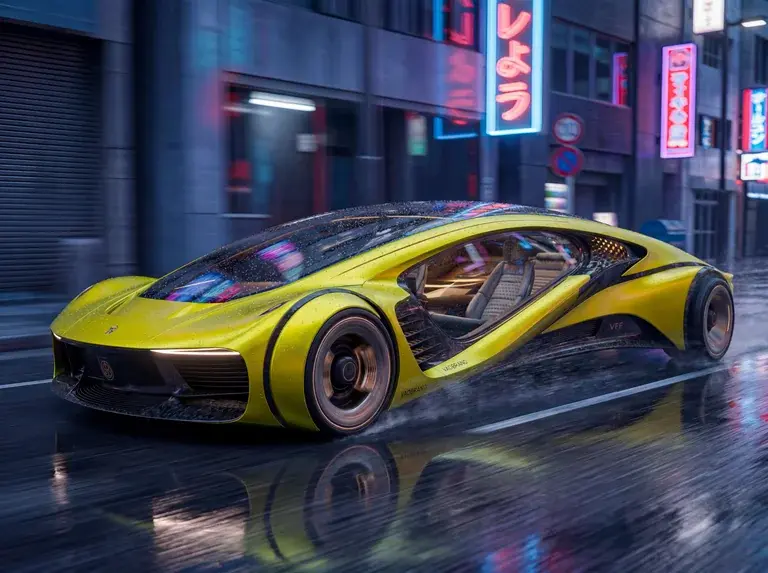
Yellow EXECOG-01 on a rain-slick city street under neon lights
Explore the concept Grand touring concept

Design research

A quieter kind of speed.

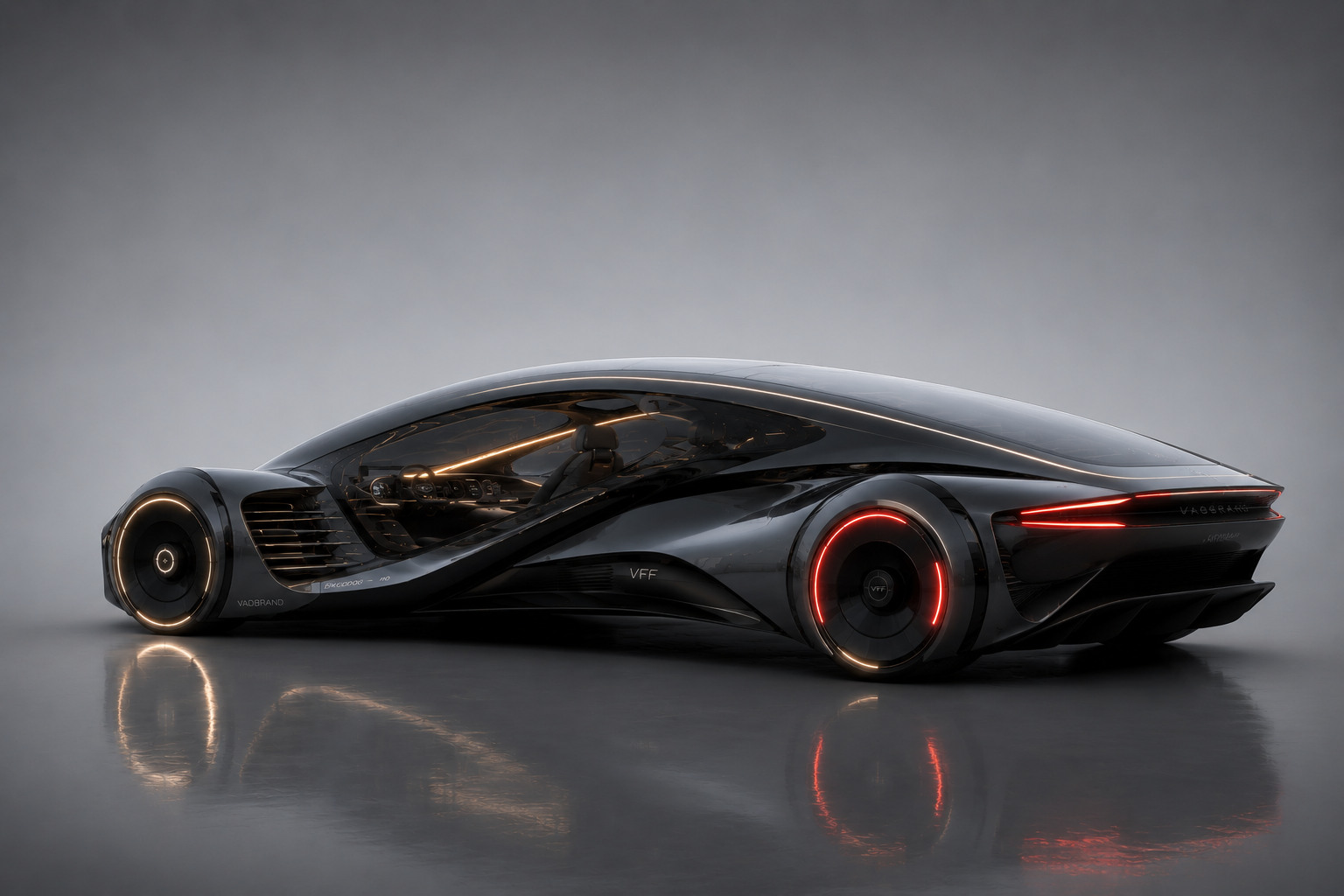
EXECOG-01 is a grand touring concept shaped around a question. How can airflow, magnetic suspension, and the space around the body make speed feel calm?
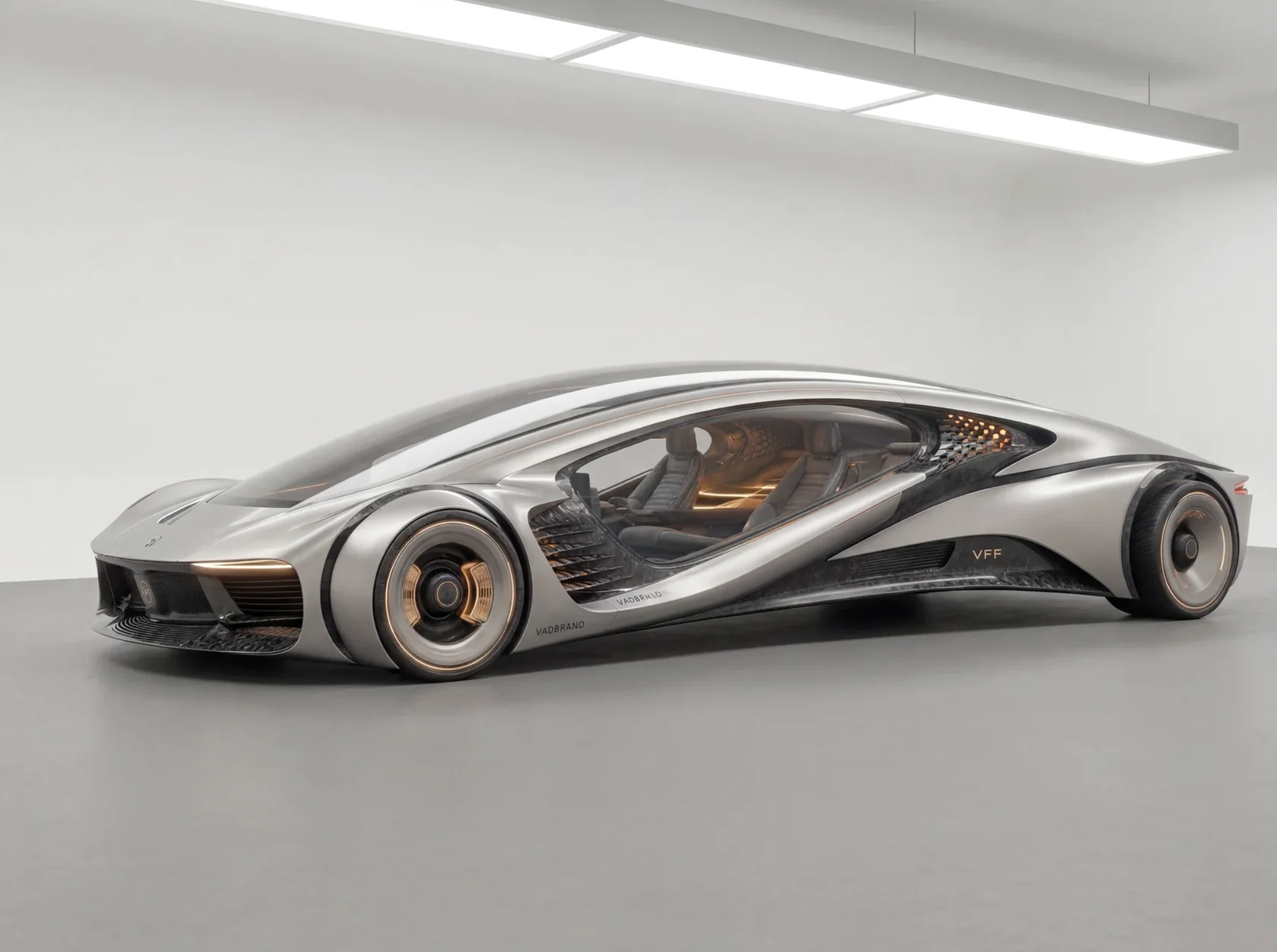
Silver EXECOG-01 in a white studio, its glass canopy and sculpted side channels visible in profile
A single arc connects the nose, canopy, and tail.

The body in detail.

Perforations follow the shoulder of the car. Panel joints and a recessed amber light define the edges of the shell.
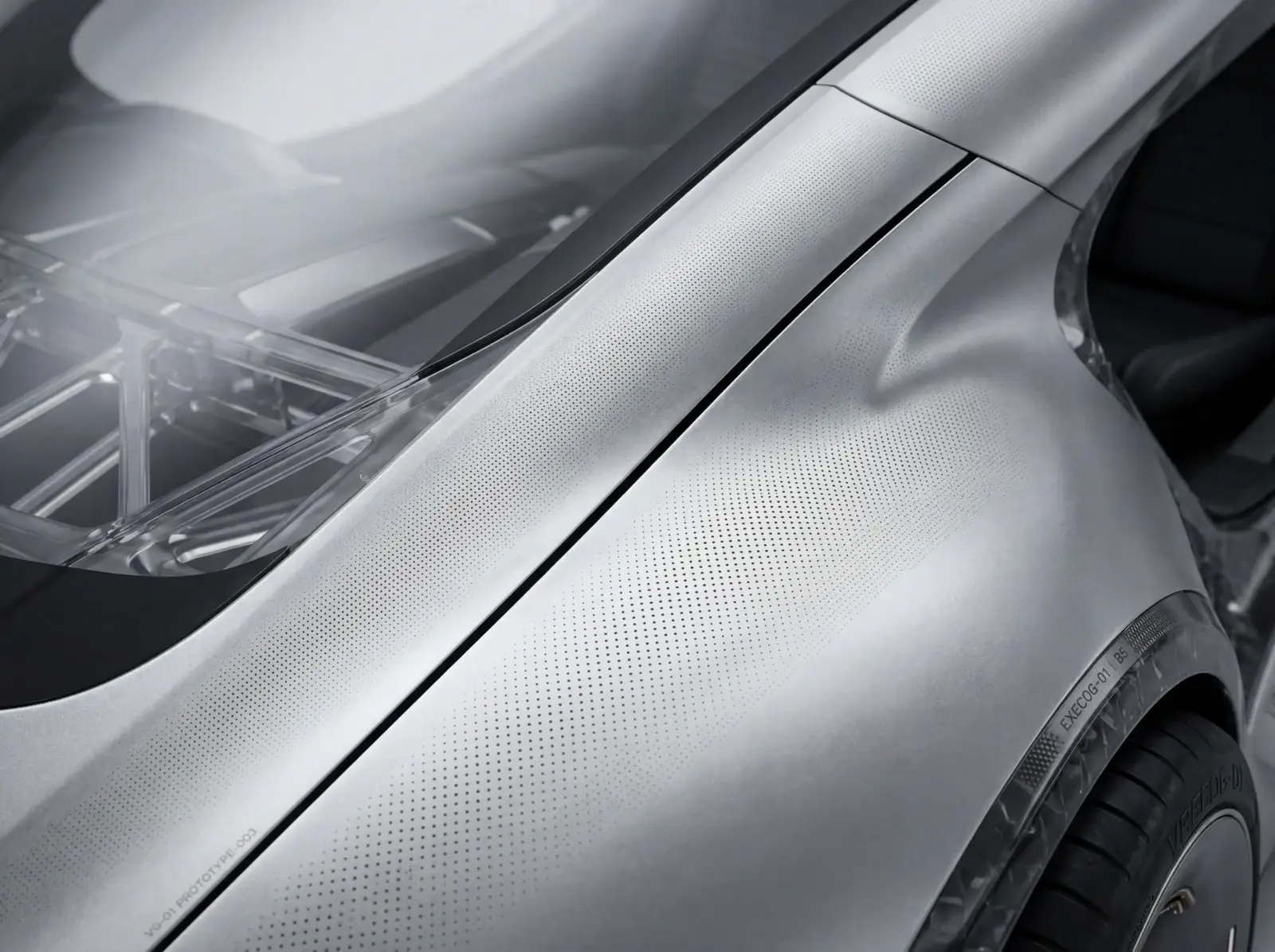
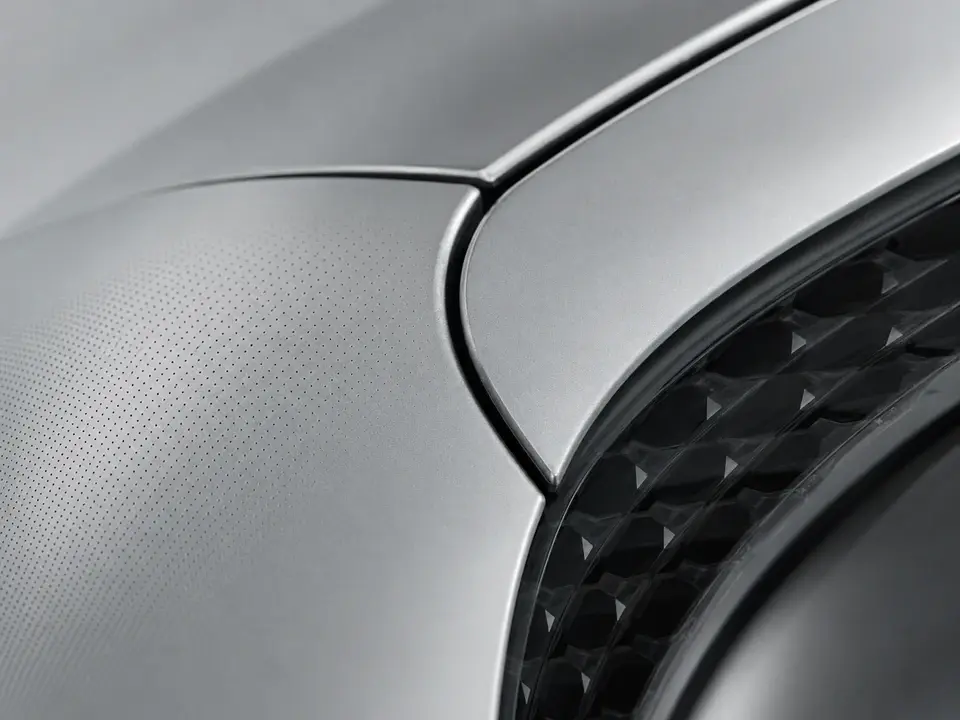
Fine perforations follow the silver body shoulder between the glazed canopy and front wheel A dark seam joins silver panels beside a faceted insert A narrow amber light set into the seam between two sculpted body surfaces

Aerodynamics

Air shapes the shell.

The roofline carries air over the cabin. Channels beside the cockpit trace a second path along the body toward the rear.
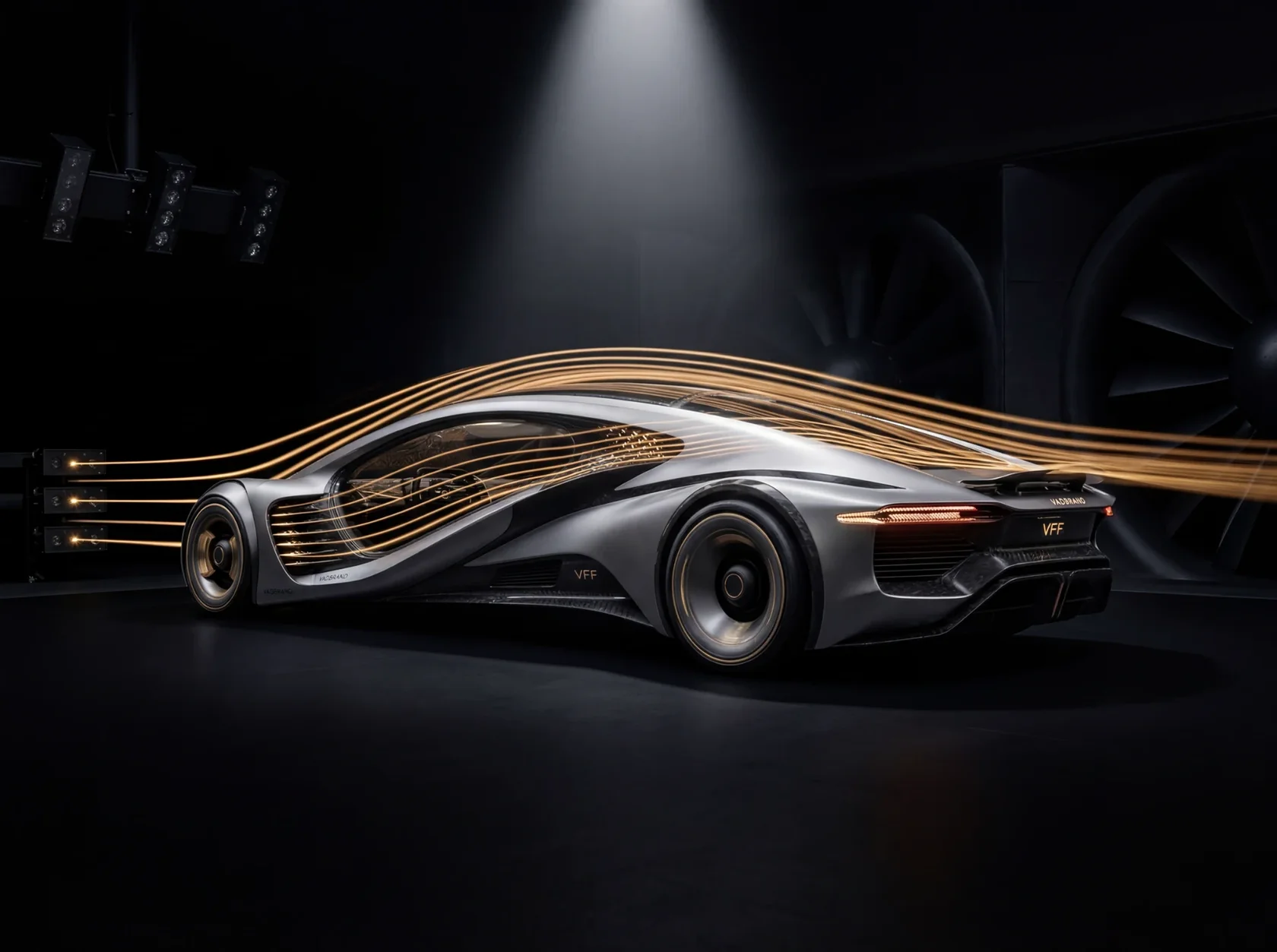
Amber streamlines trace airflow above and beside the silver EXECOG-01 in a wind-tunnel illustration
Airflow visualization

Vehicle architecture

Beneath the shell.

A carbon-composite monocoque wraps the cockpit. The chassis study brings the electric drive, thermal system, and magnetic wheel assemblies into the same structure.
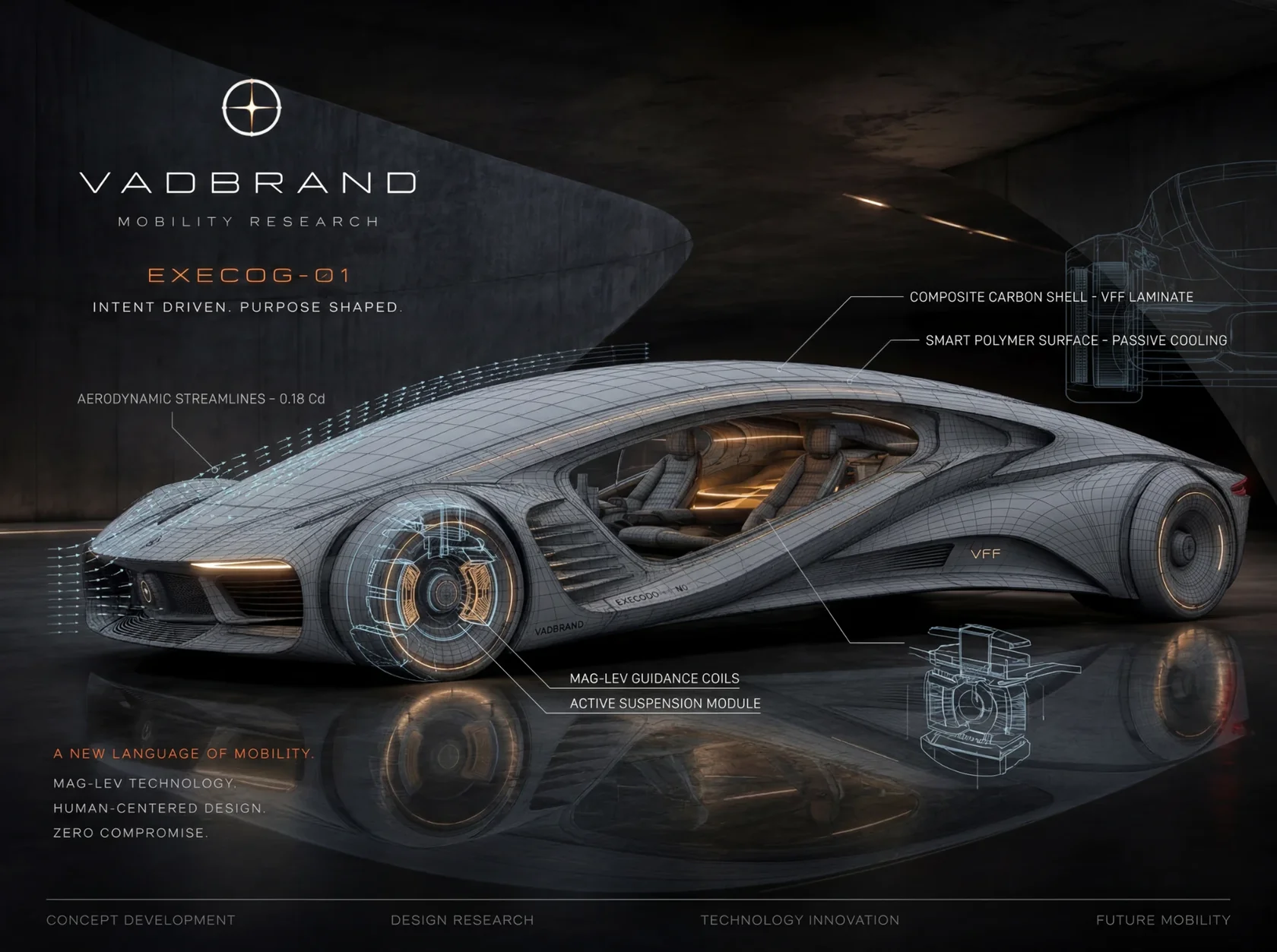
EXECOG-01 exterior in a dark exhibition hall Wireframe view of the same vehicle with proposed composite shell and magnetic guidance coils
Concept rendering. Figures are illustrative.
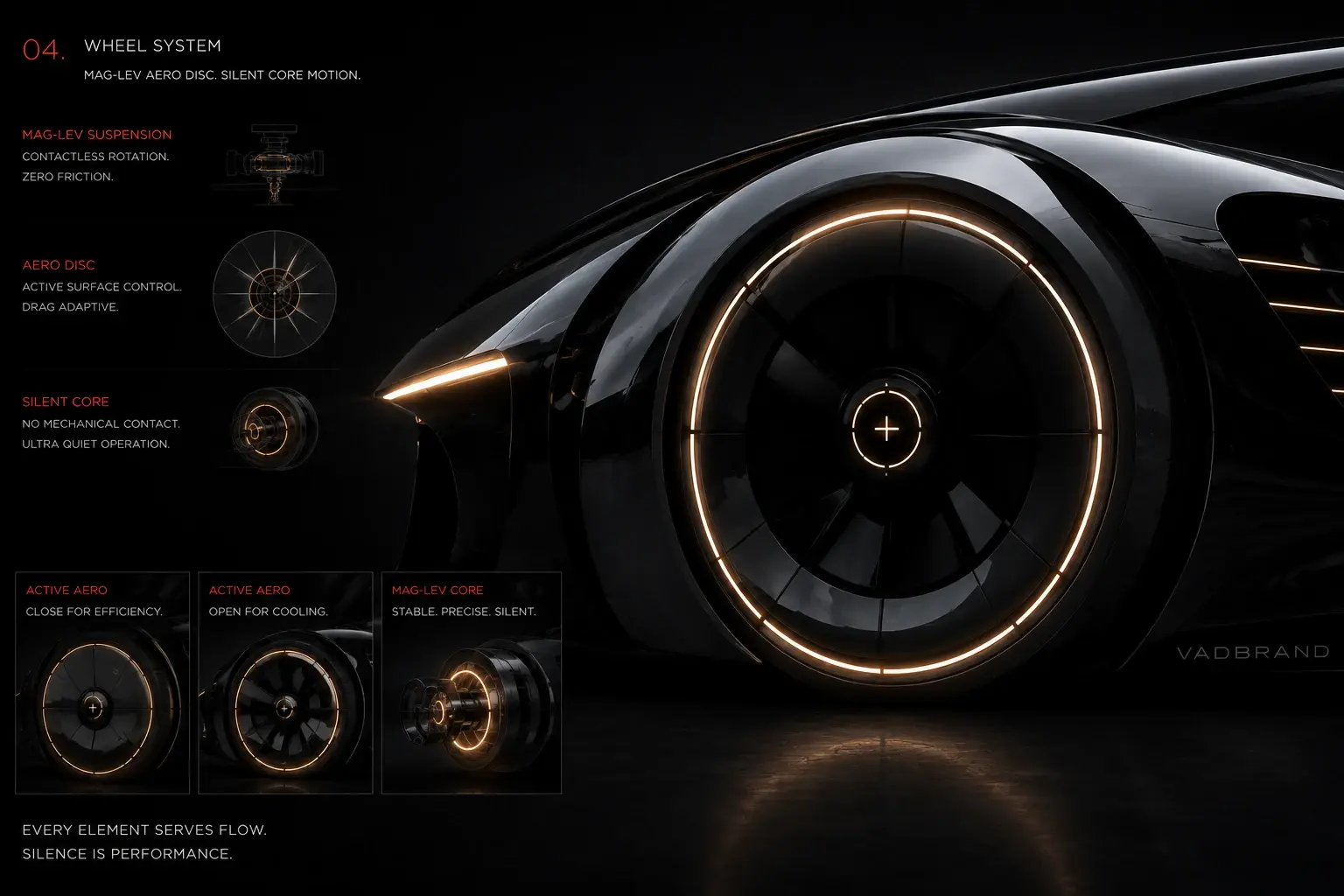
Wheel design drawing showing open and closed aerodynamic disc positions

Wheel system

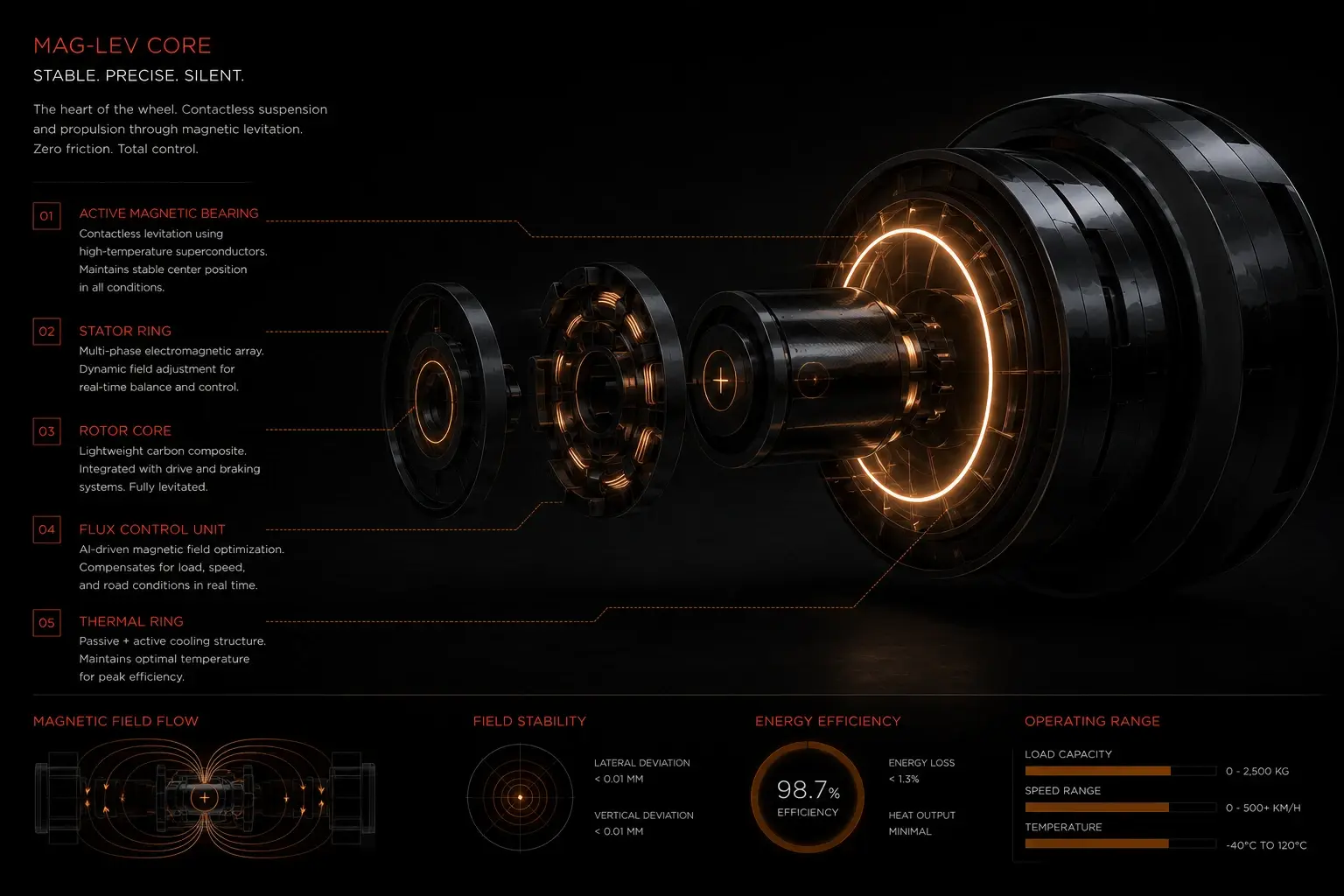
The magnetic wheel module.

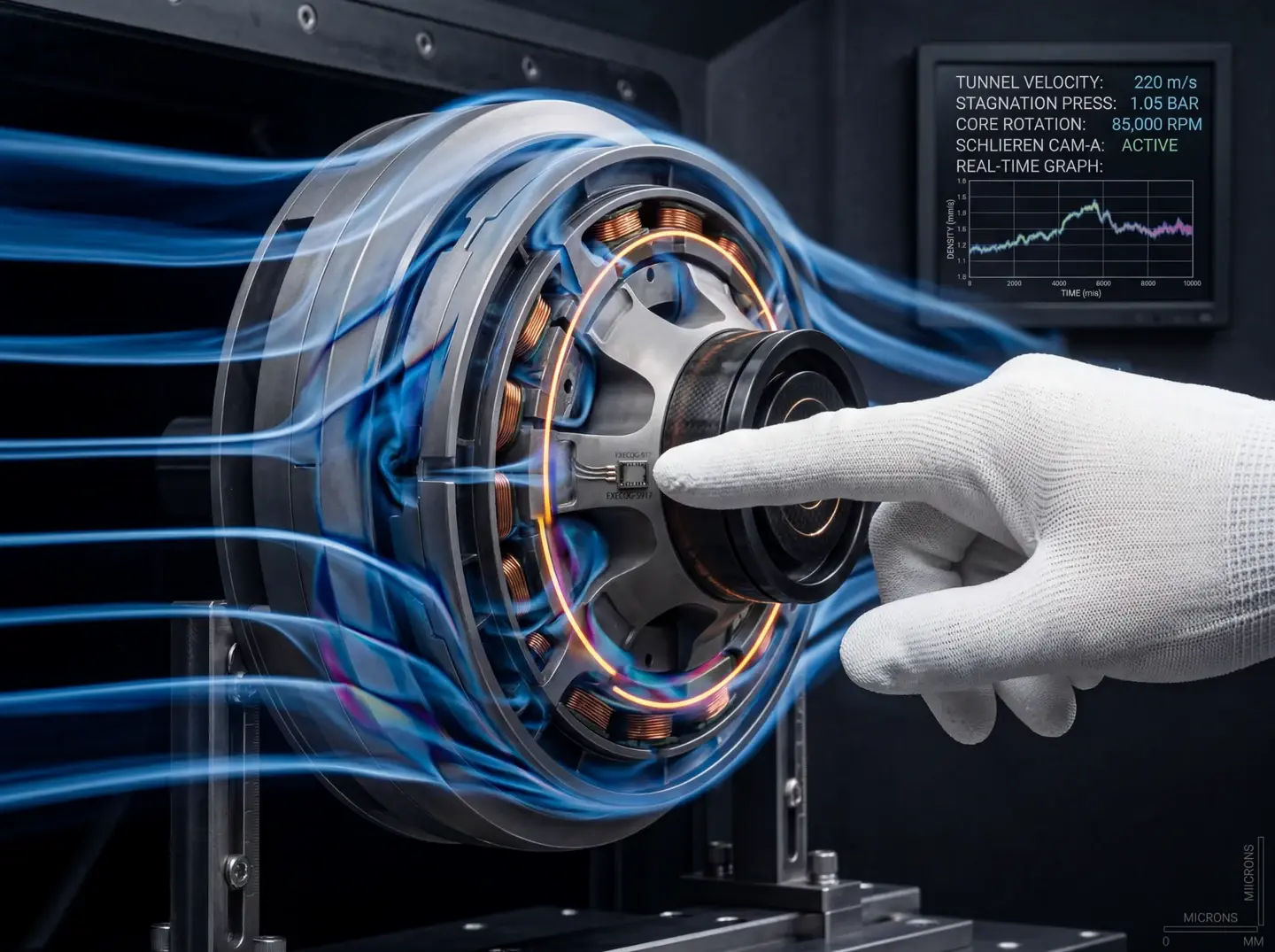
The proposed module combines an electric drive, a contactless bearing, and an adjustable aerodynamic disc. The motor would generate torque, and the bearing would support the rotor across a controlled gap.

Wheel integration studies.

The study examines how the module could maintain bearing clearance under changing road loads and regulate airflow as heat builds up.
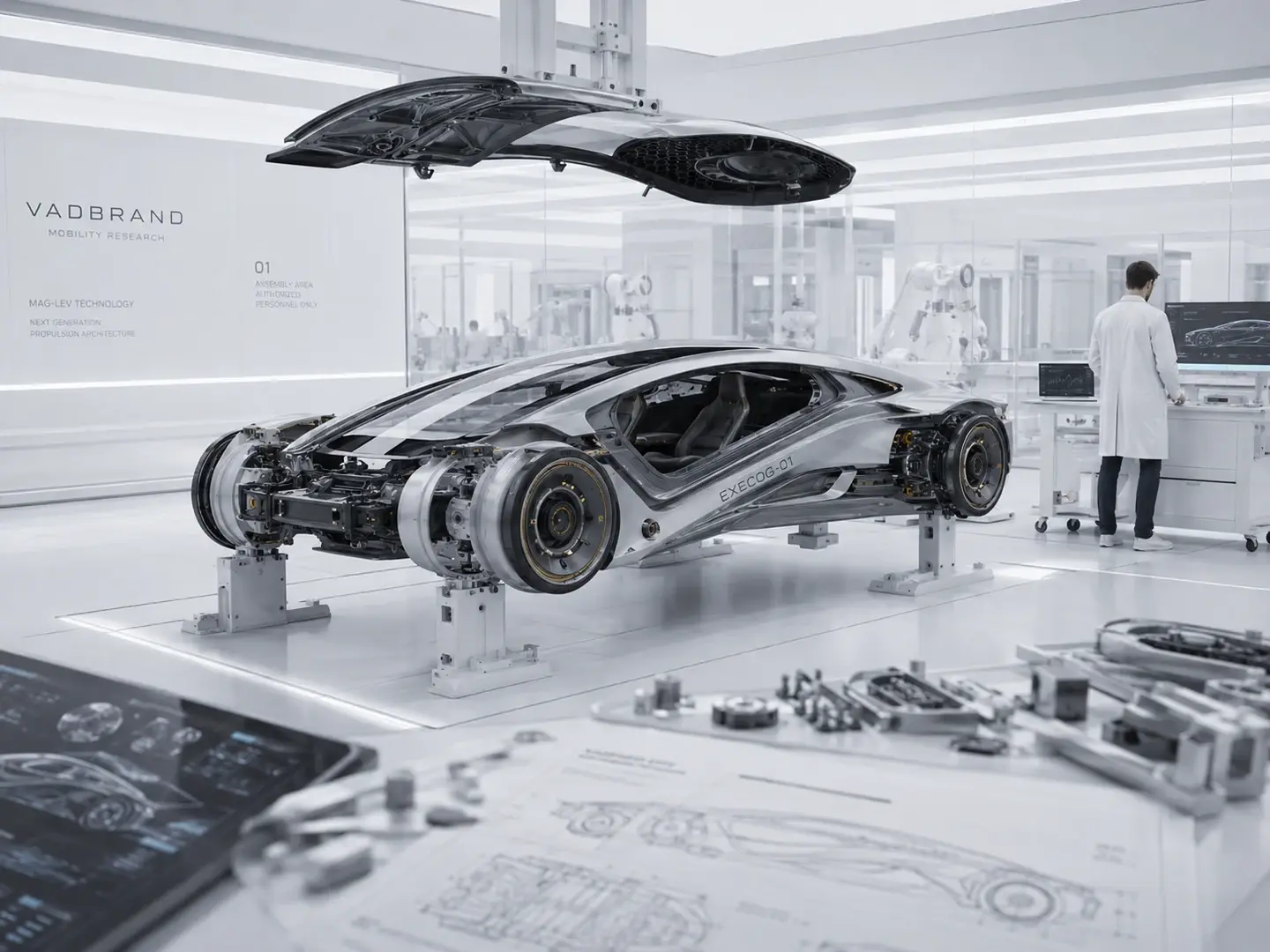
EXECOG-01 chassis on assembly stands with exposed wheel modules and a body shell held by an overhead fixture
Chassis assembly The assembly view exposes the mounting points that transfer loads from the wheel modules into the carbon-composite chassis.
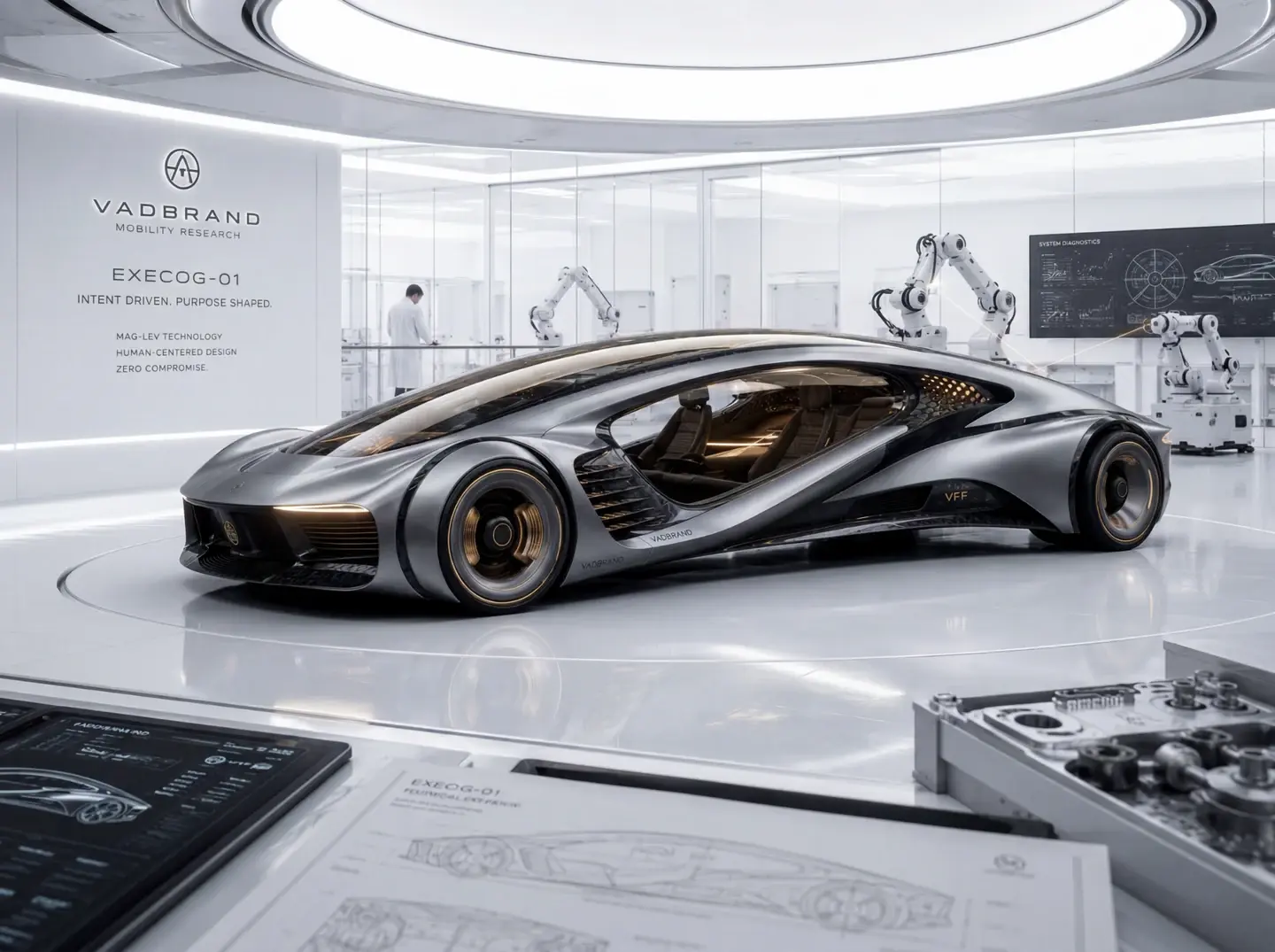
Complete silver EXECOG-01 concept in a bright development laboratory
Vehicle packaging In the assembled concept, the wheel housings and side air channels wrap around the passenger cell within a low body profile.
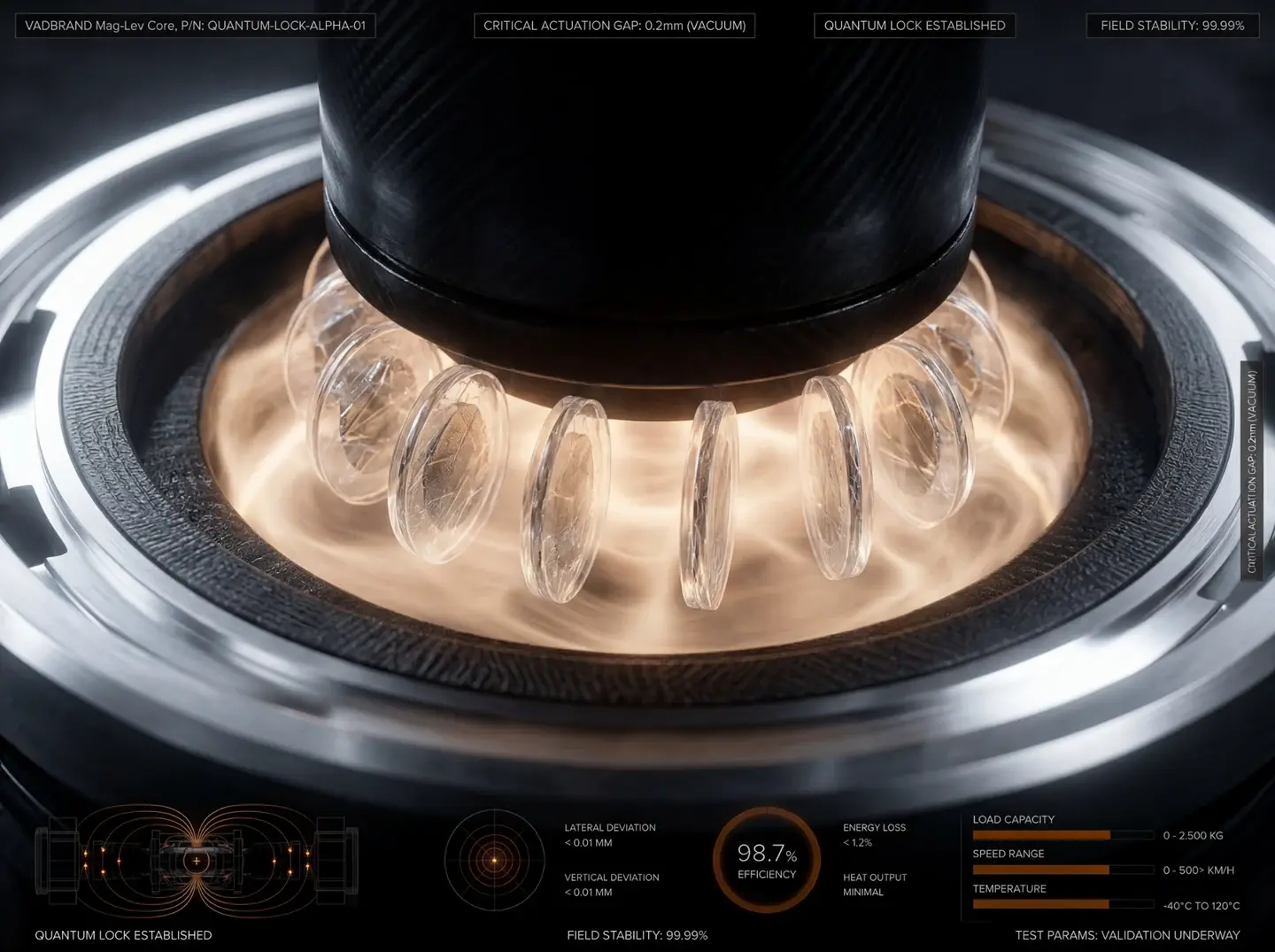
Close-up concept rendering of the magnetic bearing clearance with illustrative field and load readouts
Magnetic bearing clearance Position sensors would measure rotor displacement. A feedback controller would adjust coil current to maintain clearance as the load changes.
Wheel module on a conceptual test stand with blue airflow streamlines passing around its housing
Adaptive cooling airflow The aero disc would maintain a smooth wheel face when closed and admit cooling air through the module when open.

The readouts in these concept illustrations depict hypothetical operating conditions.

Cabin

The roof becomes the door.

The low canopy lifts away from the sill to reveal the cabin. In its closed position, the roof returns to the uninterrupted arc of the body.
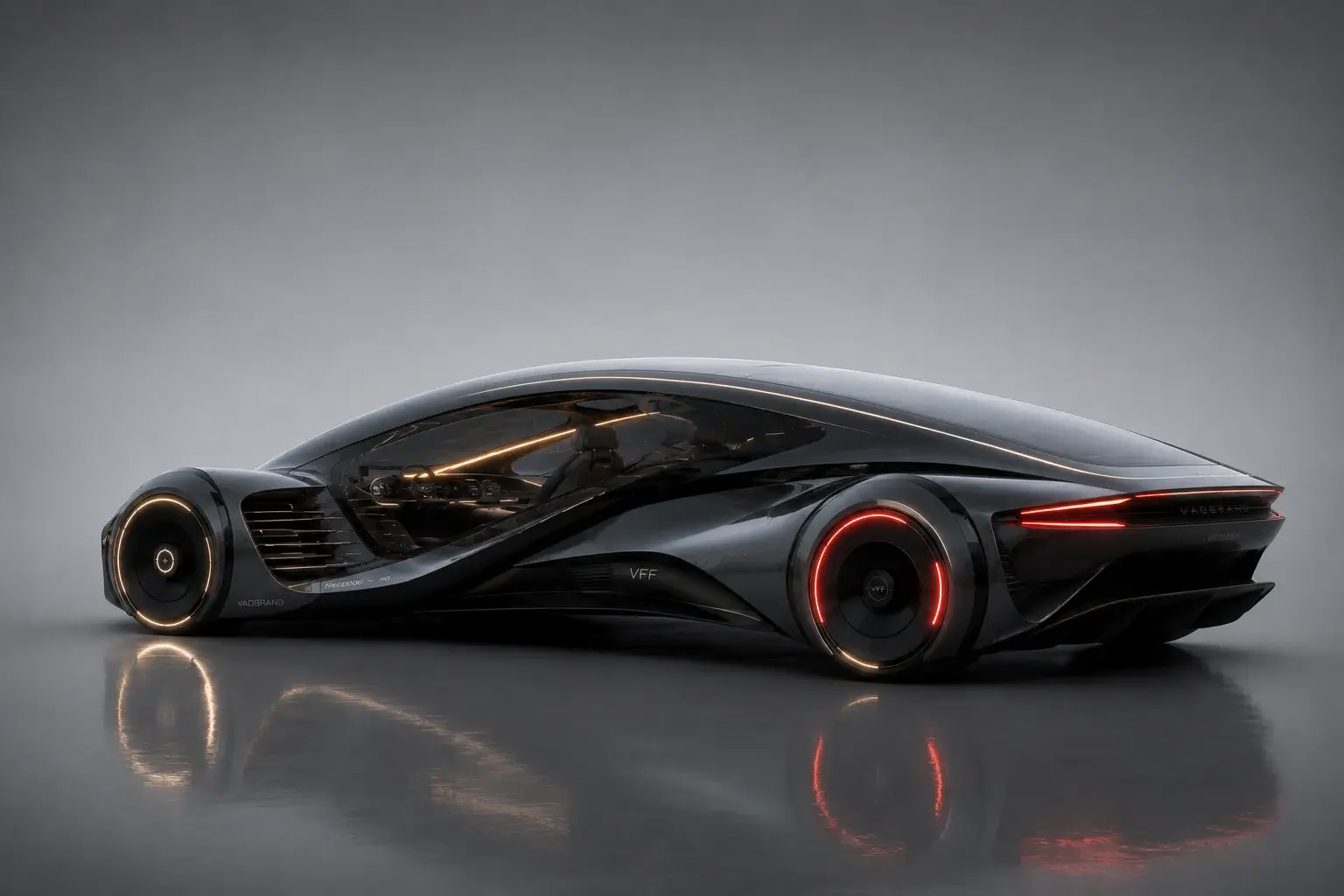
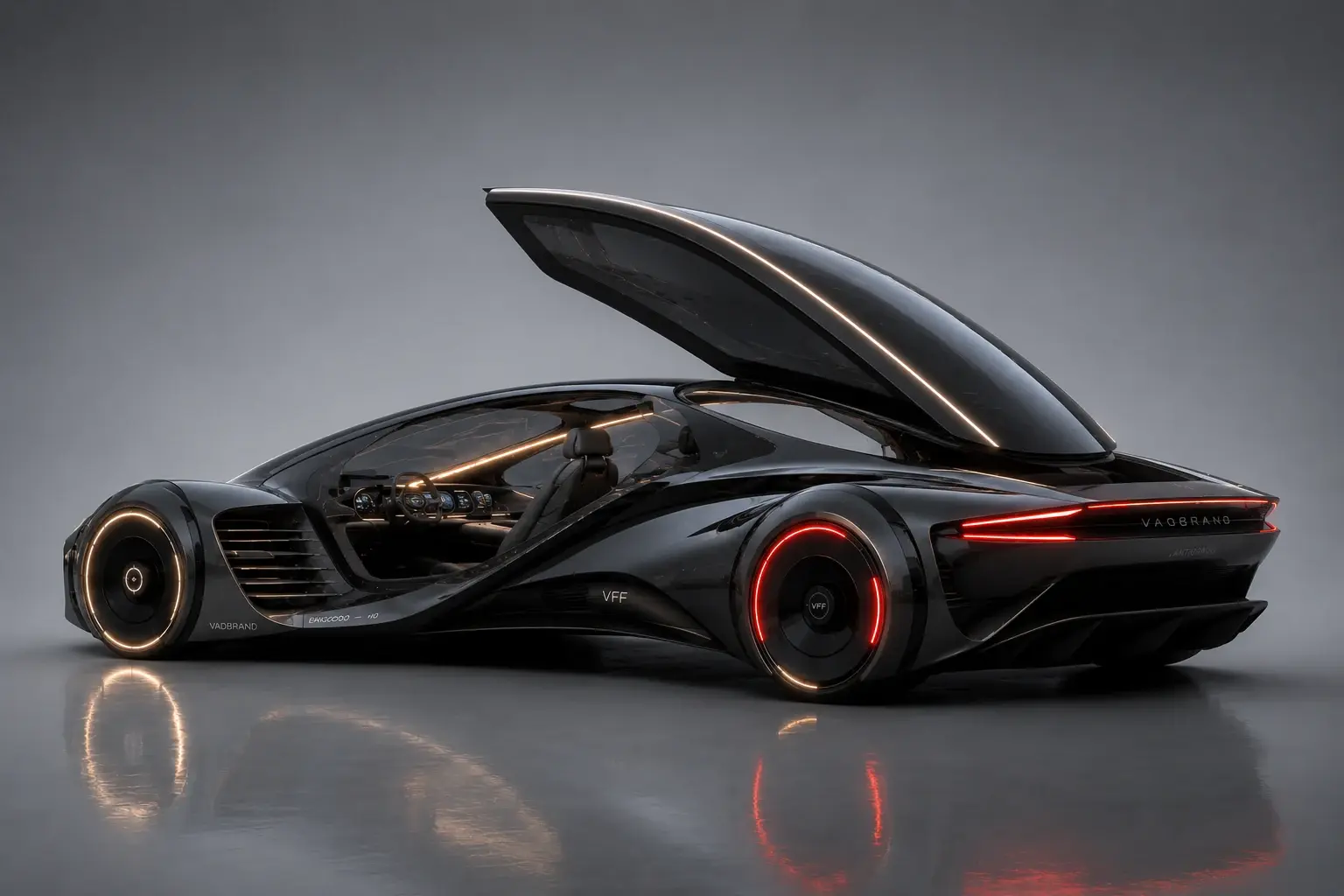
Rear three-quarter view of EXECOG-01 with the canopy closed

Canopy closed

The control surface.

A continuous amber line follows the curve of the instrument panel and frames the controls.
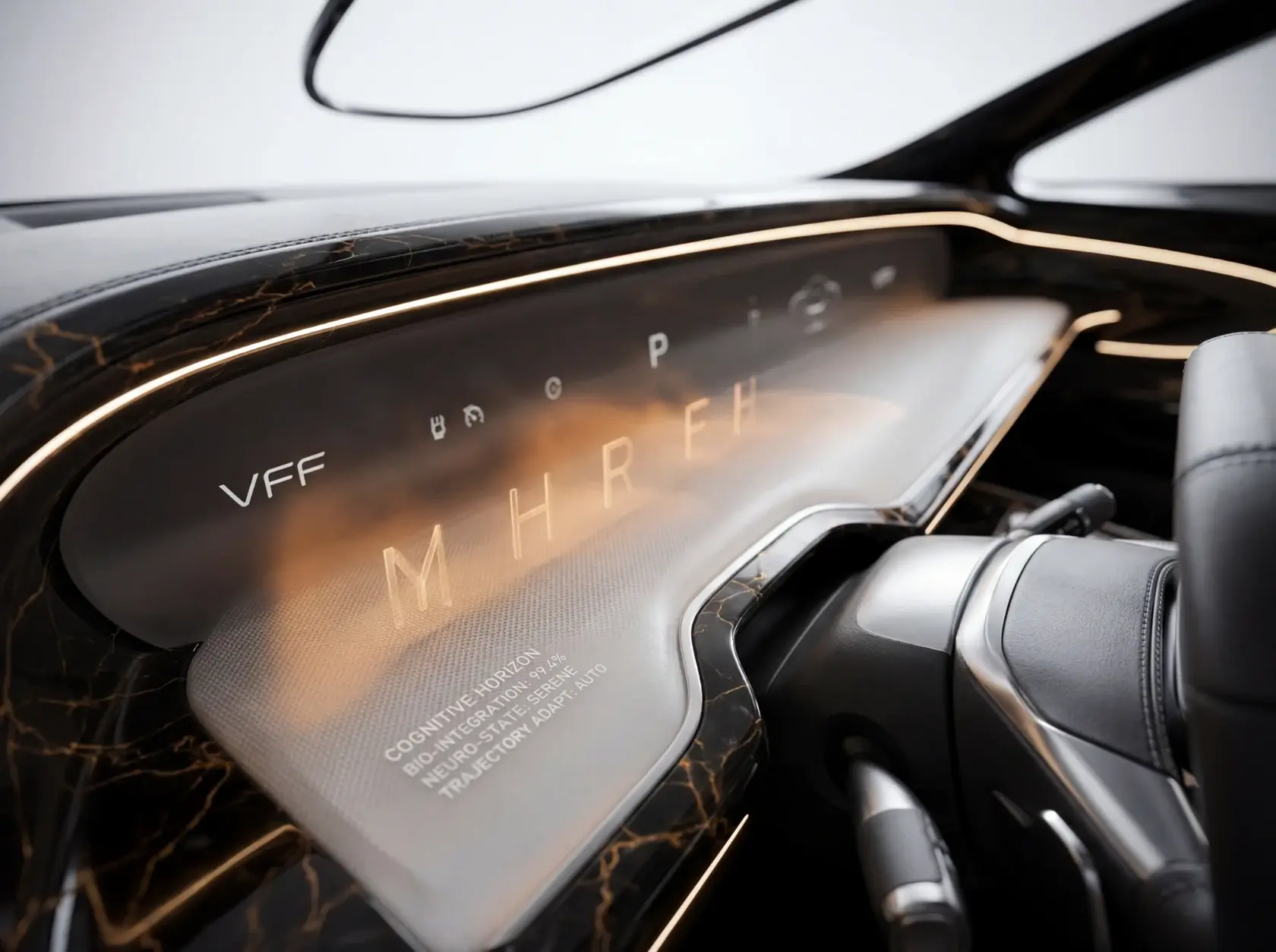
EXECOG-01 instrument panel with a continuous amber light along its curved edge and illuminated controls
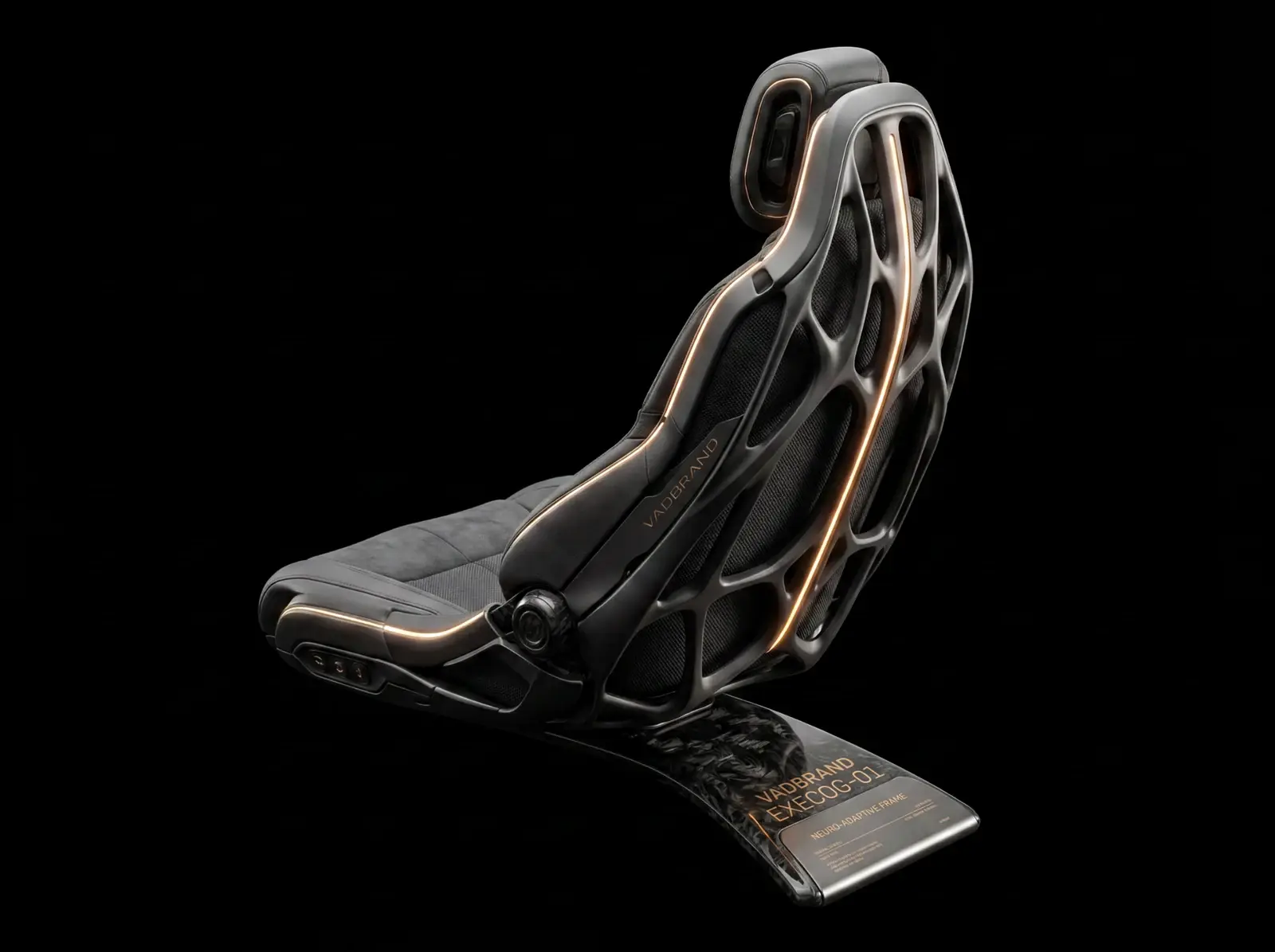
EXECOG-01 seat study with a sculpted composite support frame and integrated amber lighting

Seating

Support for the long drive.

The seat concept lets the driver adjust head, shoulder, lumbar, and thigh support independently. Heating and ventilation are built into the seat.

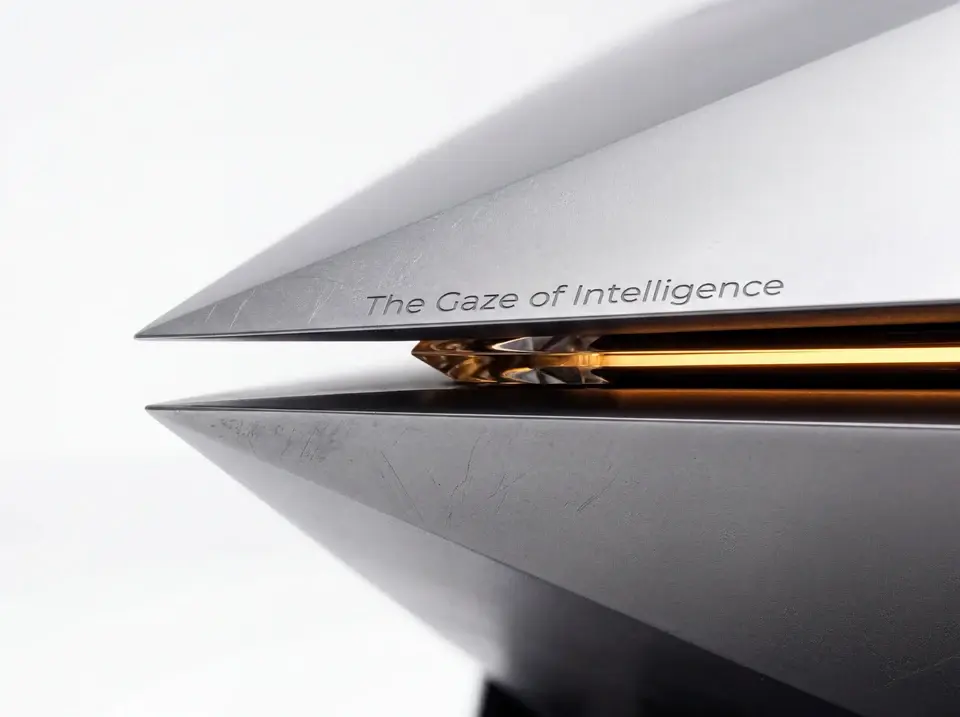
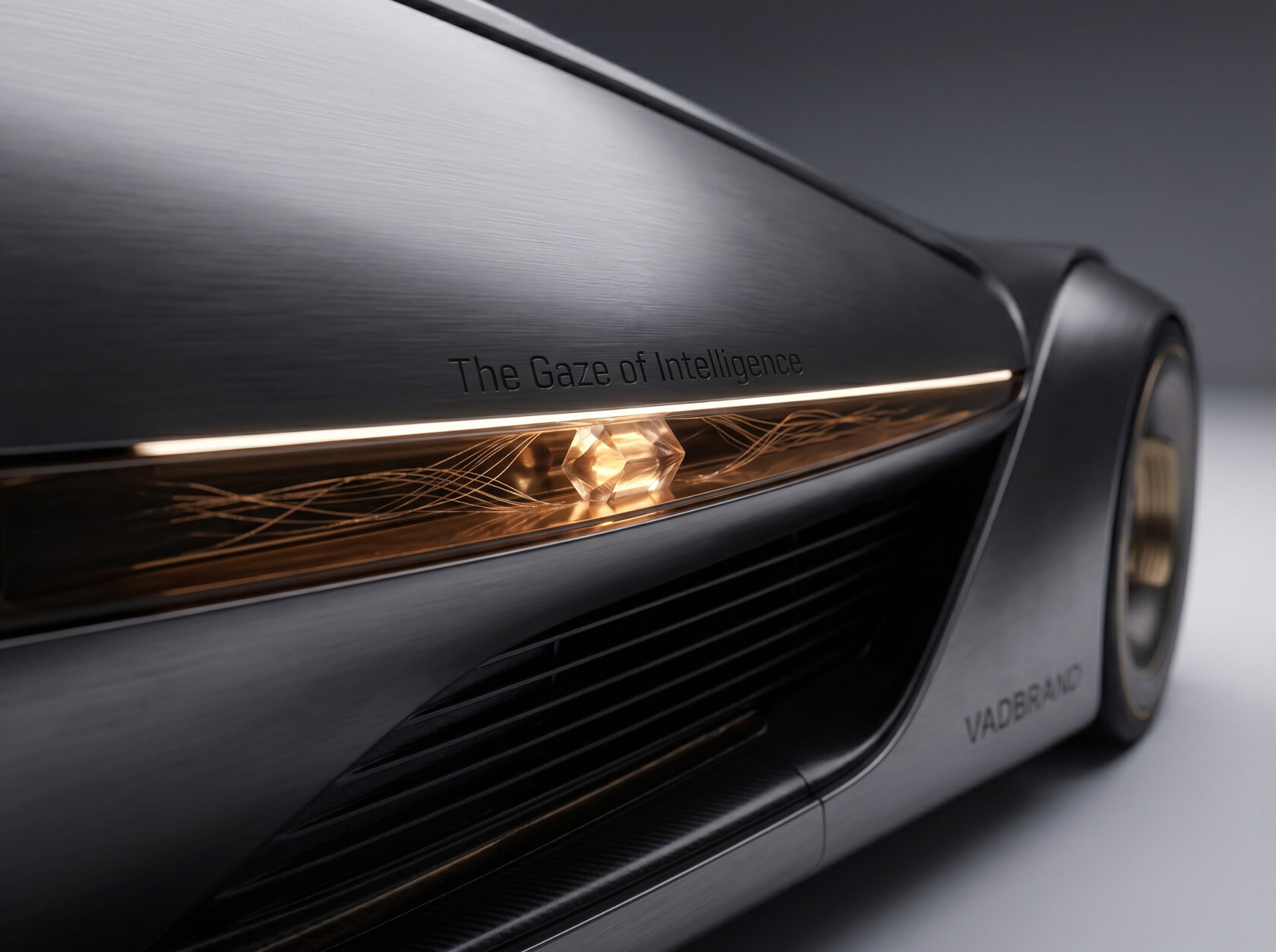
Macro view of amber optical filaments and the curved lens of the concept lighting module

Optics

The Gaze of Intelligence.

The front light sits within the body seam. At the rear, a single red line makes the width of the vehicle legible in the dark.

Concept drawing

Concept drawing. Dimensions and performance figures are illustrative.

CASE 02 · MOBILITY · IN DEVELOPMENT
Form of motion. Not as speed. Not as control.

As a condition that holds.
TRANSPORTATION
Across what we have not named yet.
Mobility systems
are explored as environments,
not objects.
CONTINUATION FOLLOWS